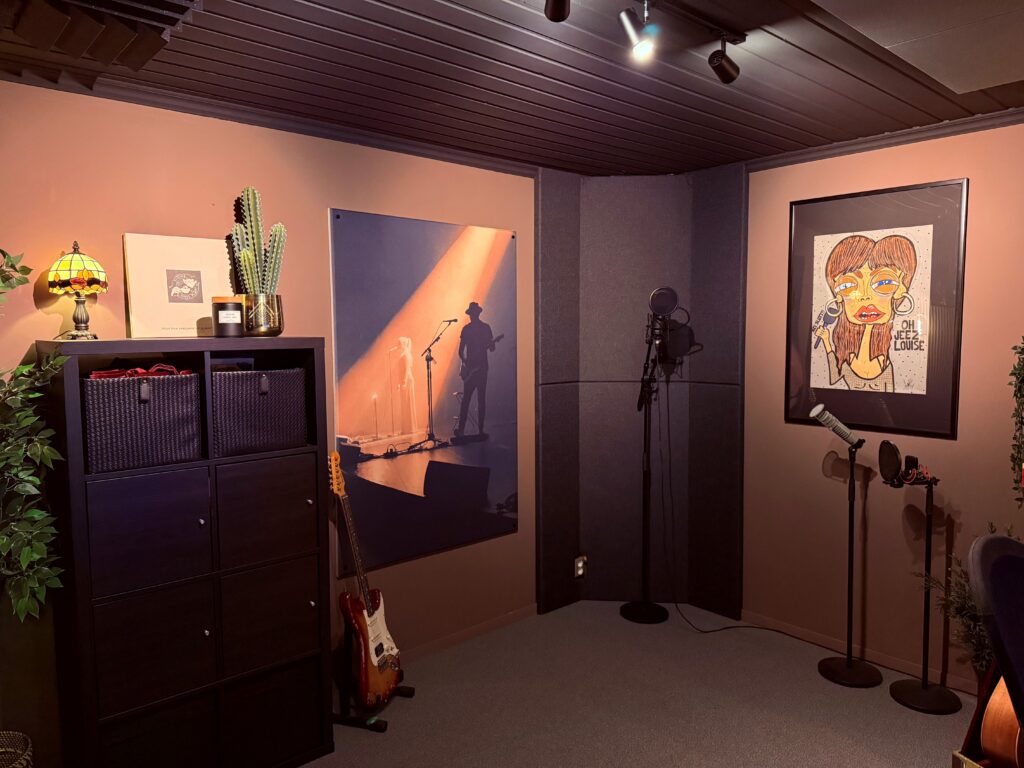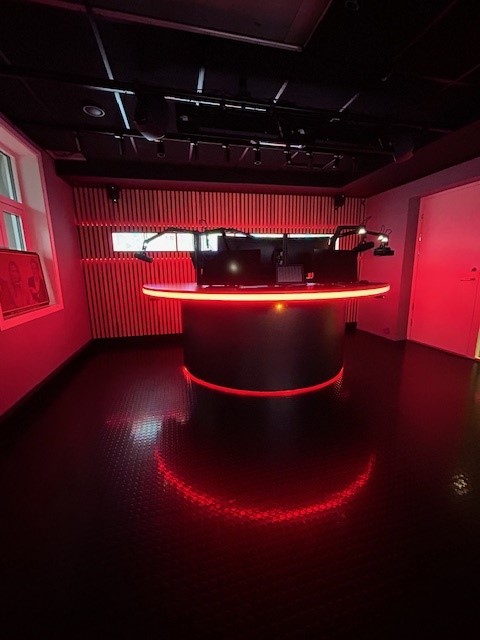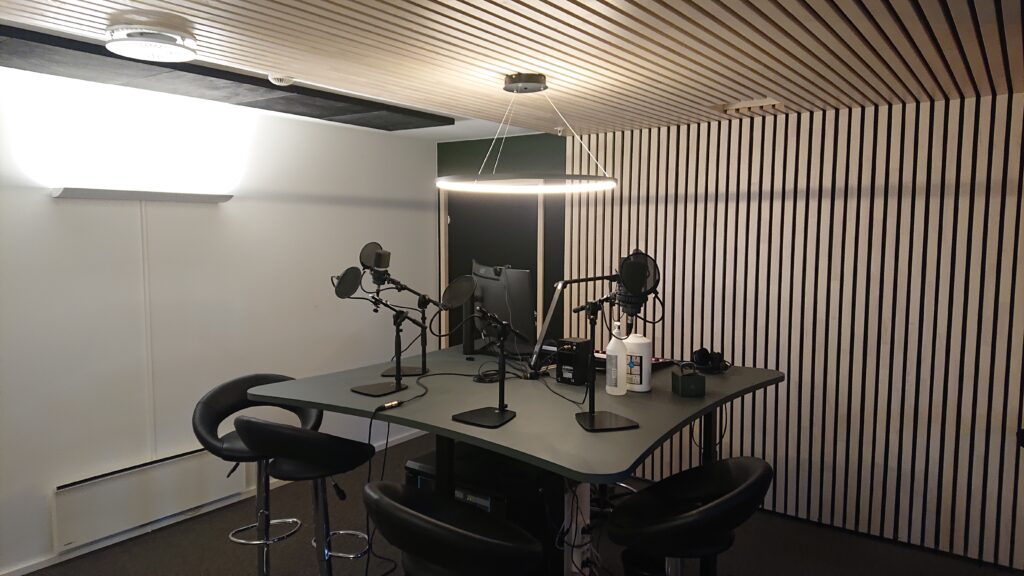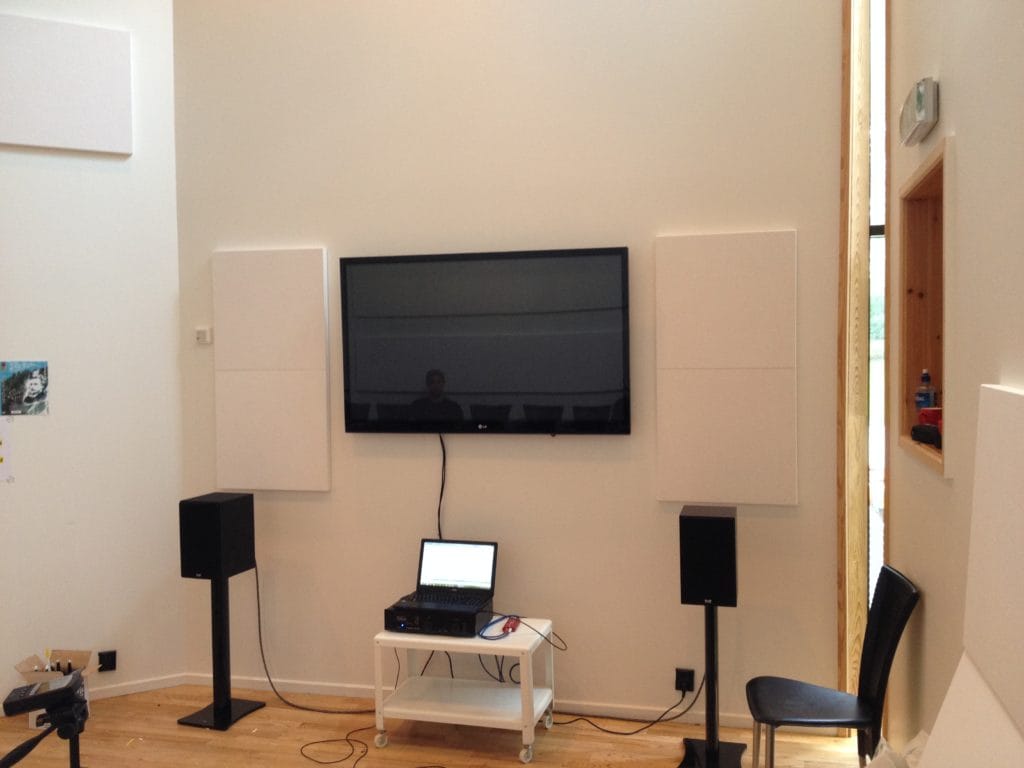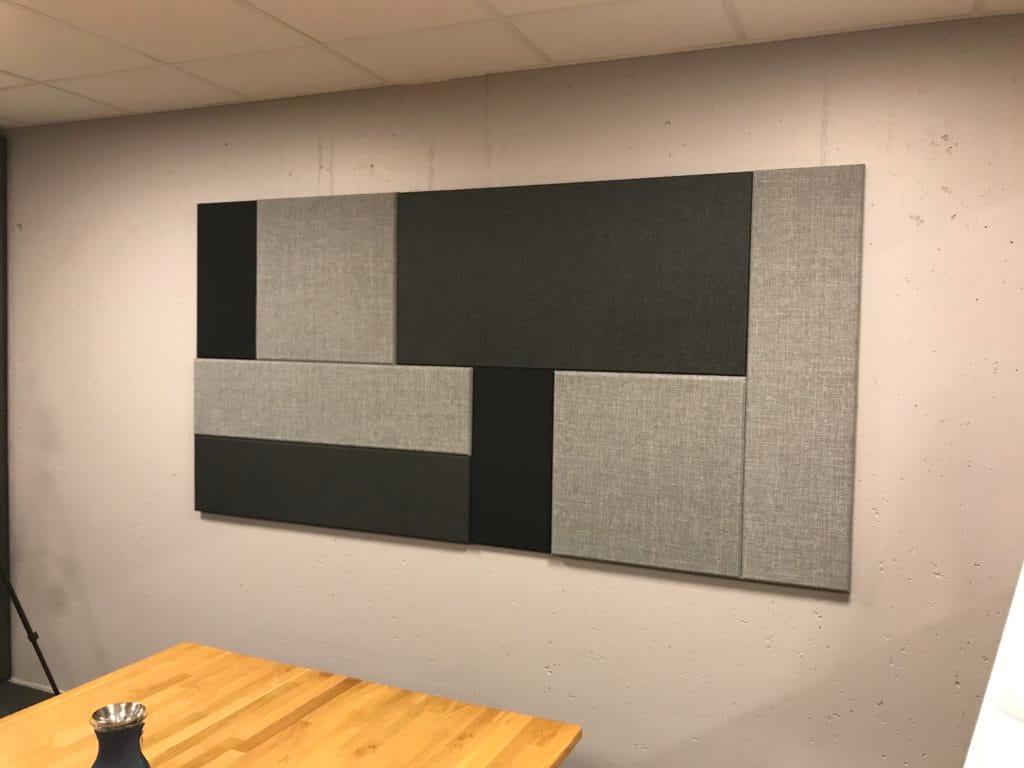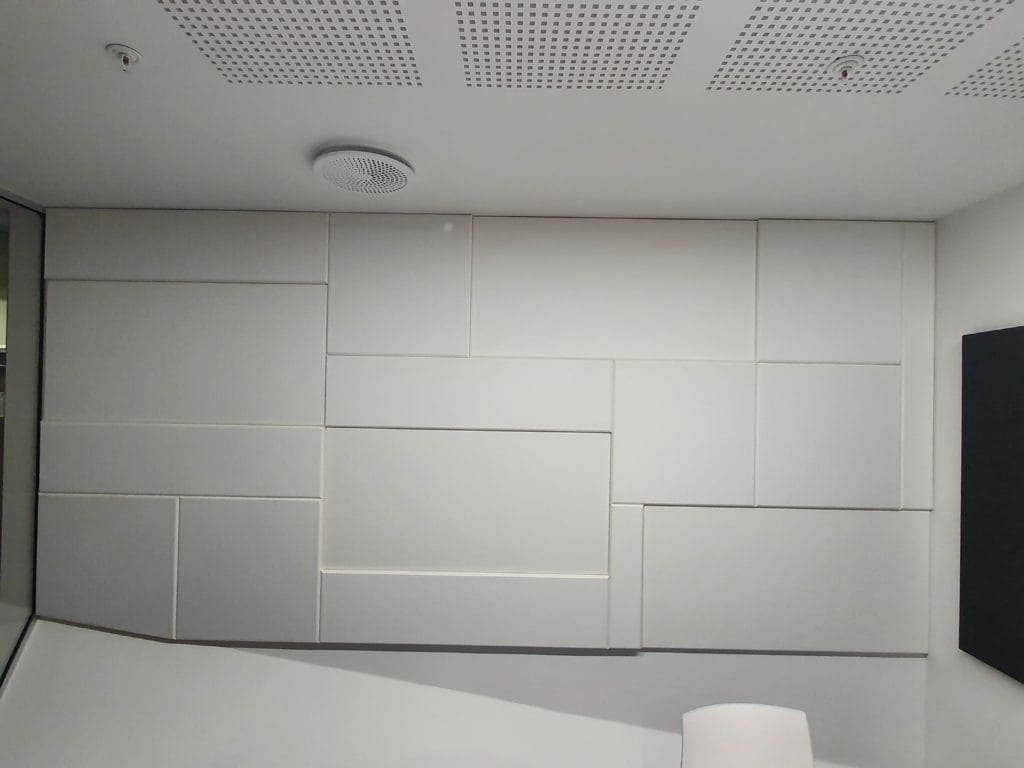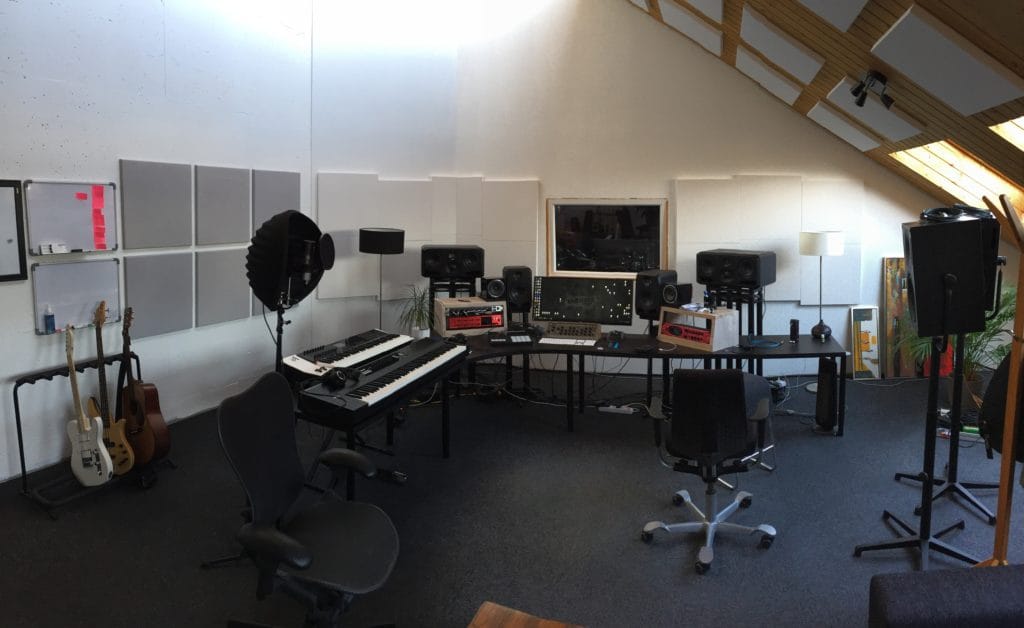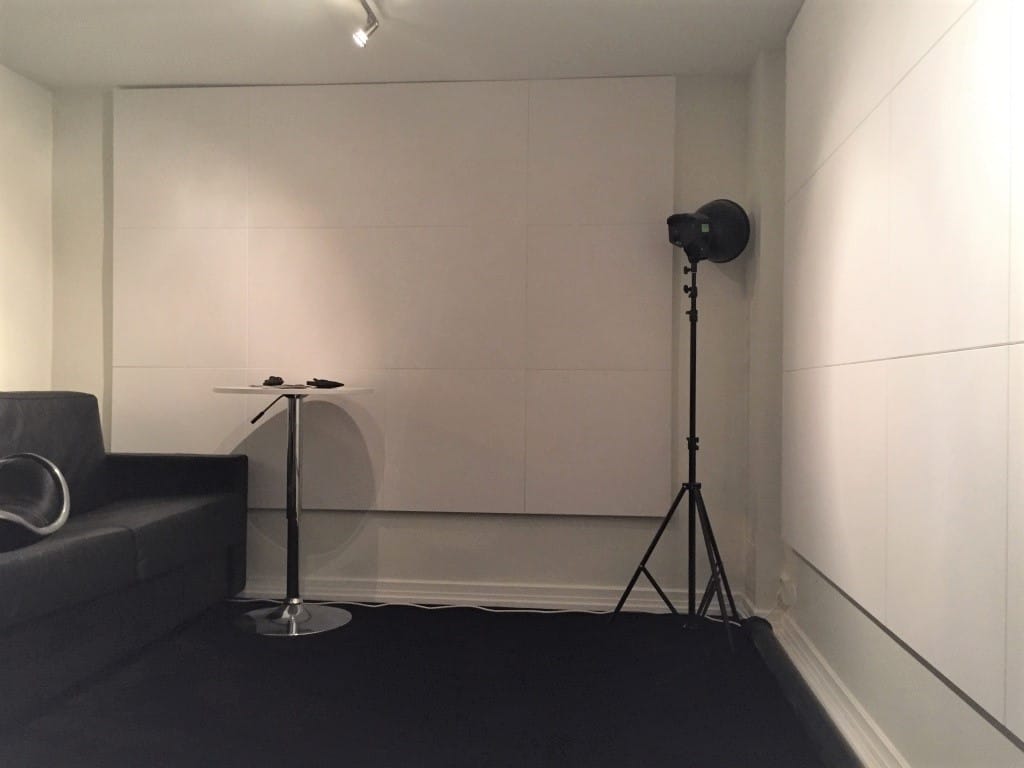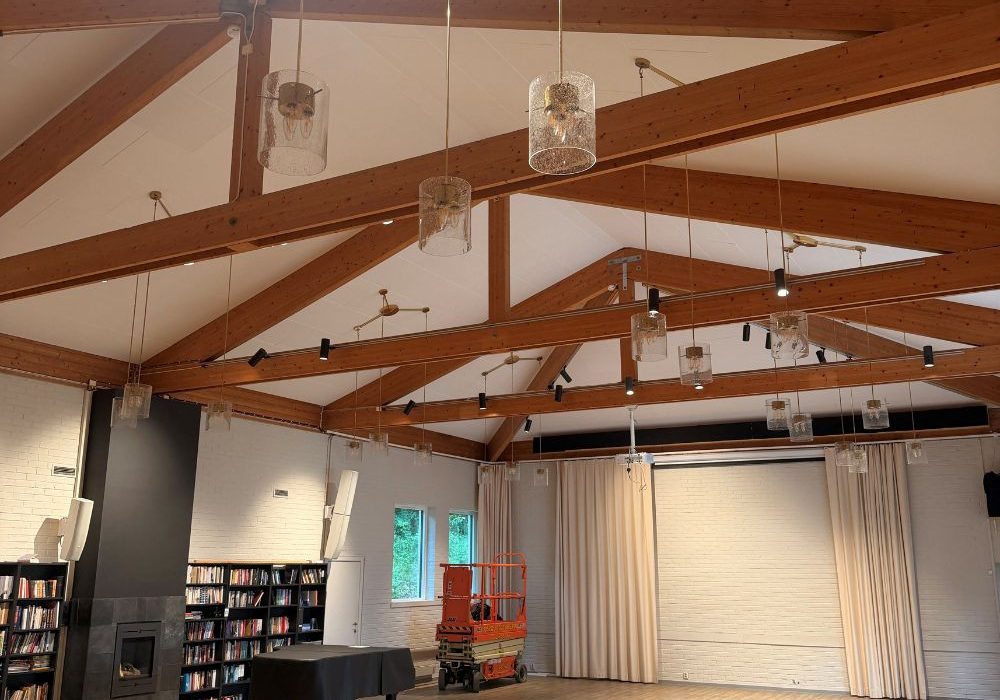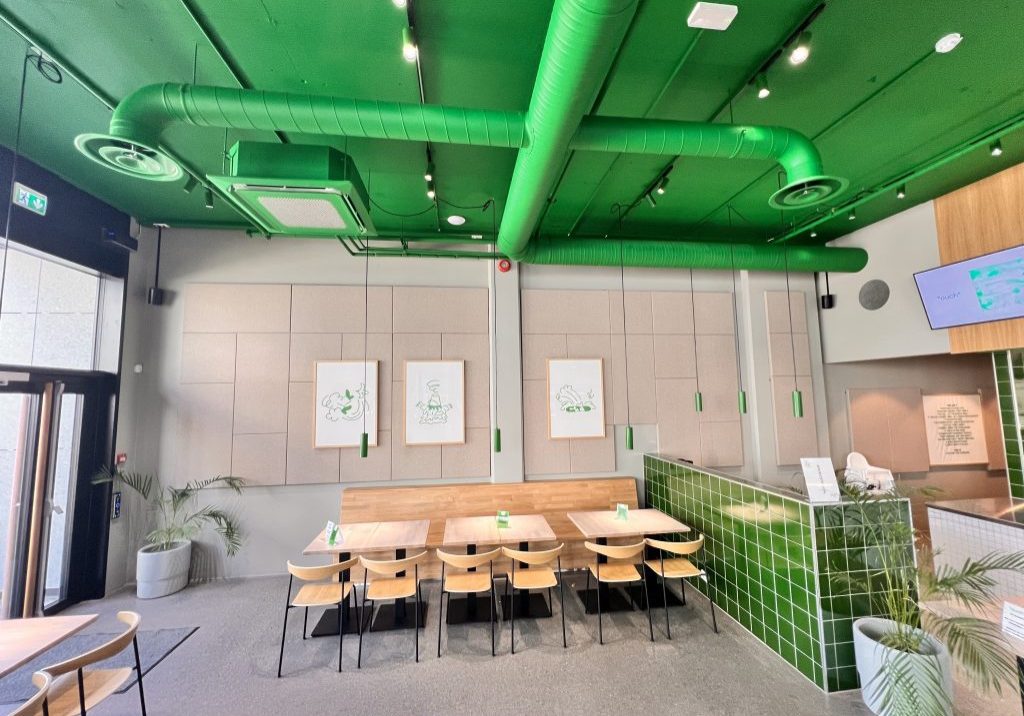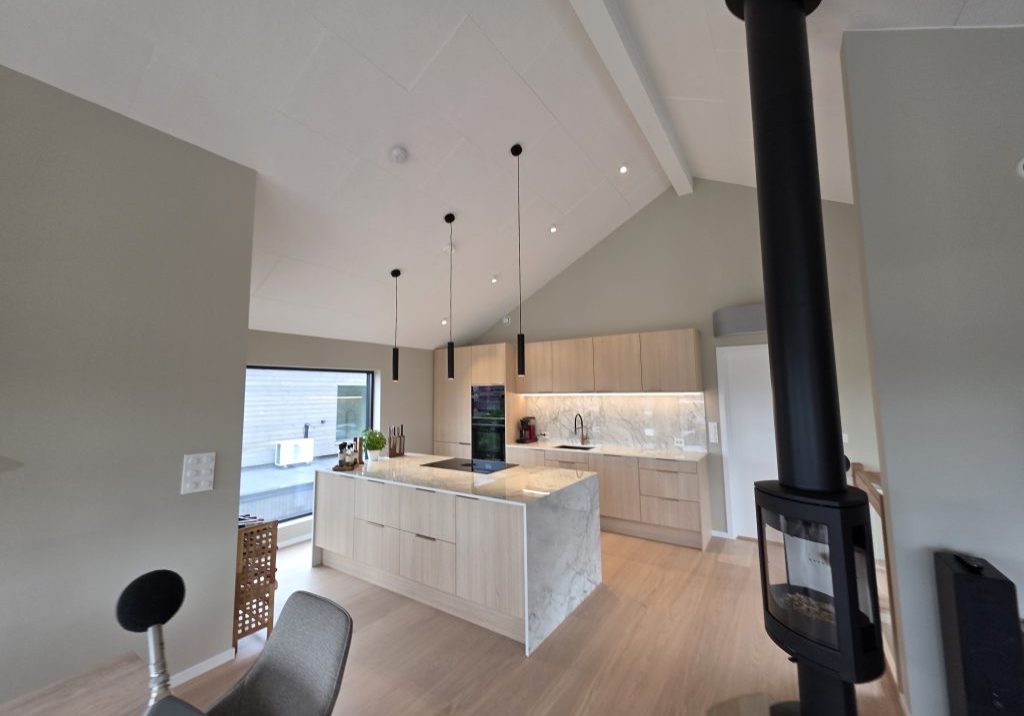

Home cinema and recording studio
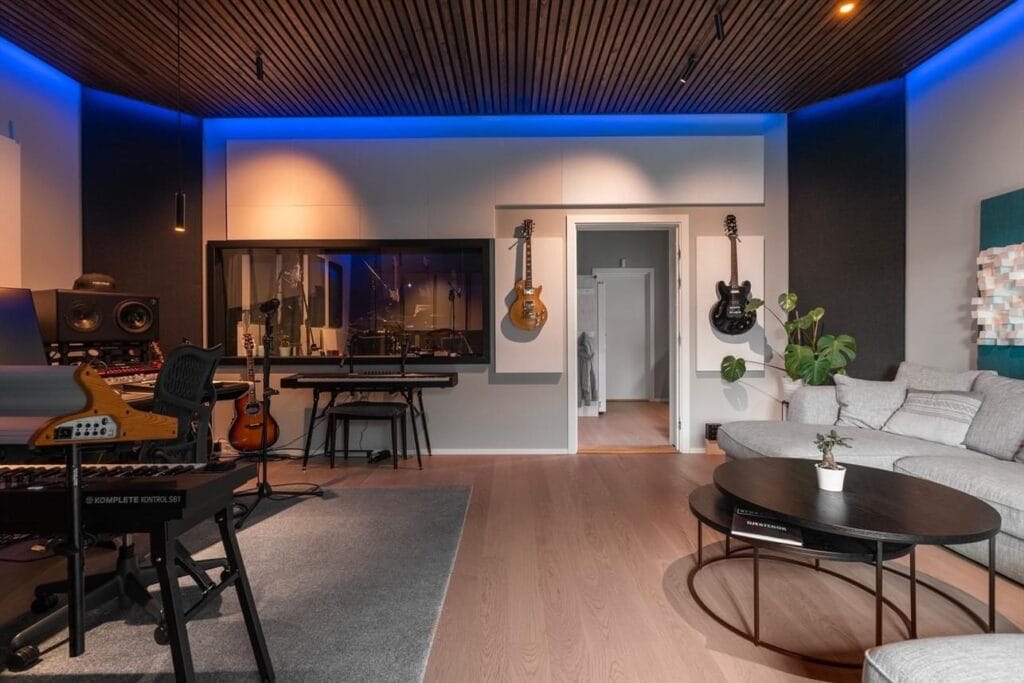
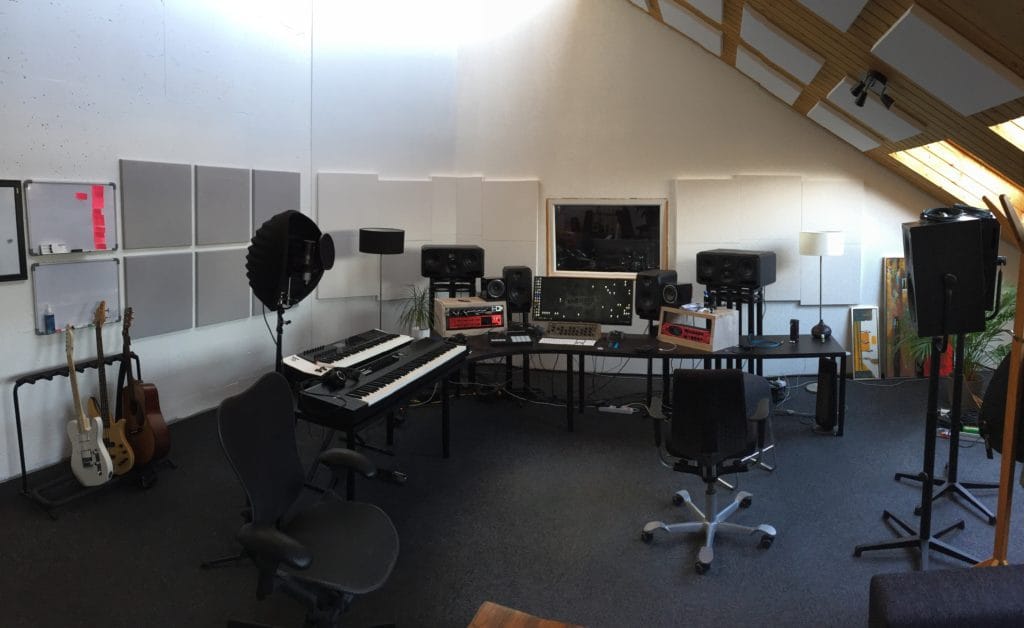
Have you invested in a home cinema or recording studio but feel that something is missing in terms of sound? Then it's most likely due to poor acoustics in the room.
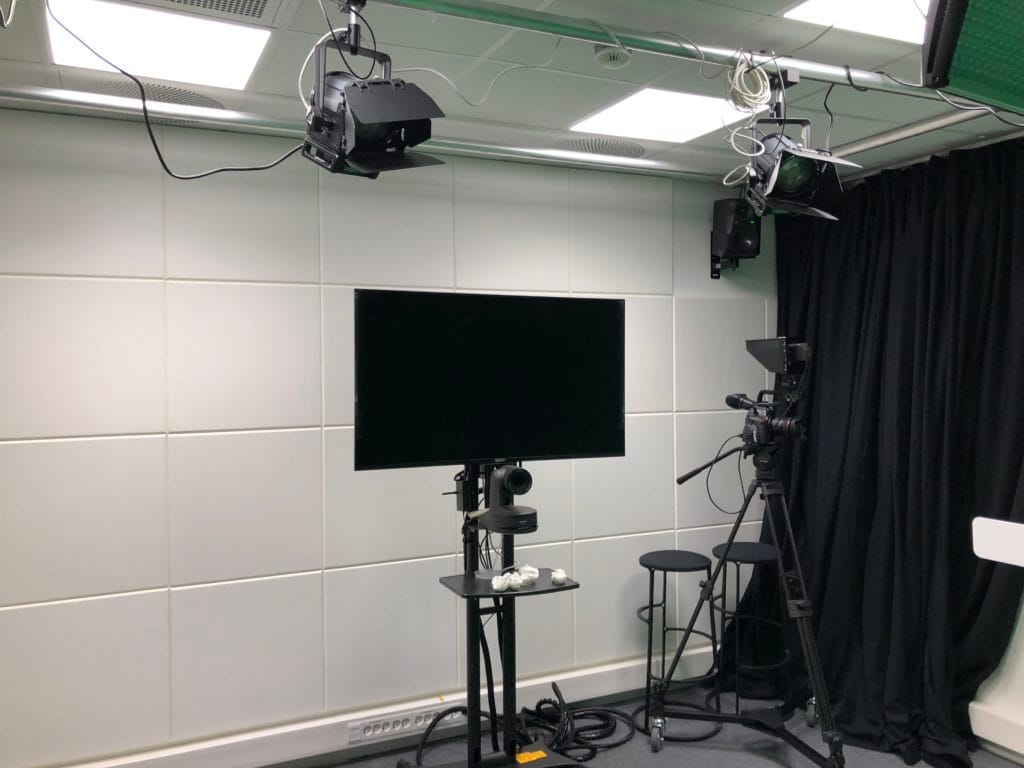
We have some good advice for those who are building a home cinema or sound studio. We have the acoustic materials you need for different solutions. To find the solutions that work best for you, we recommend contacting experts in such spaces, Sintef has developed standards for this and is a good source of information. The Byggforsk series, sheet 527 315 Studio, provides you with research-based information on this.
Sound is just as important as visuals for the perfect film experience. Optimising the acoustics is crucial to creating the right sound environment in a home cinema. We have extensive experience in this area and can help you achieve this.
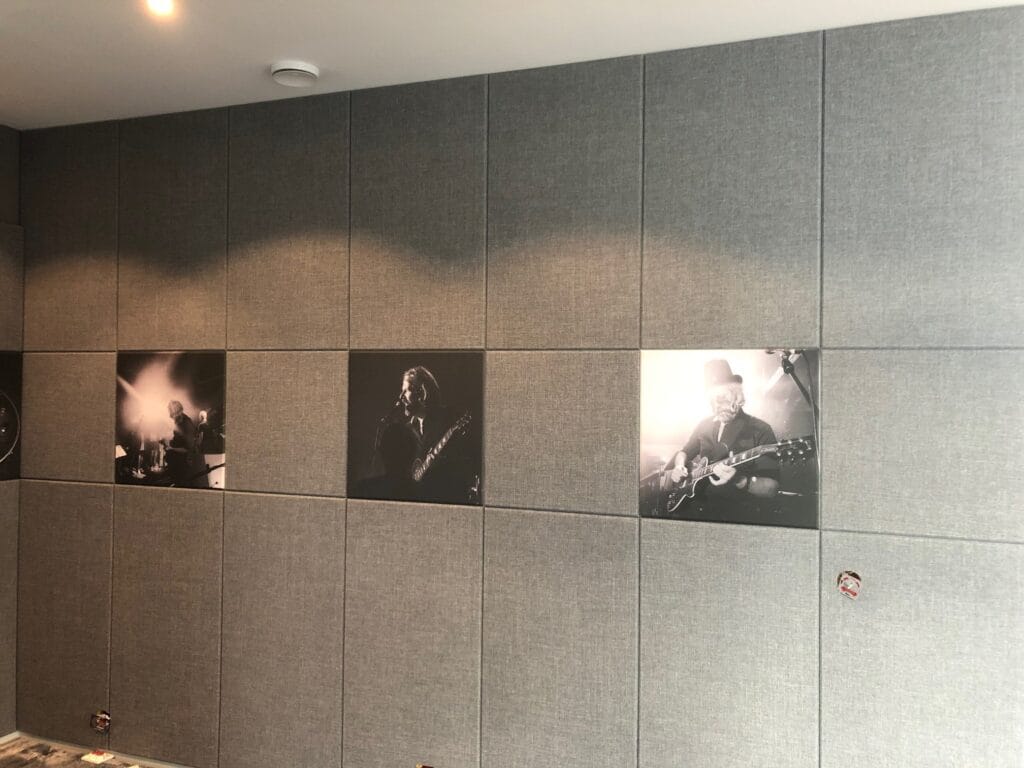
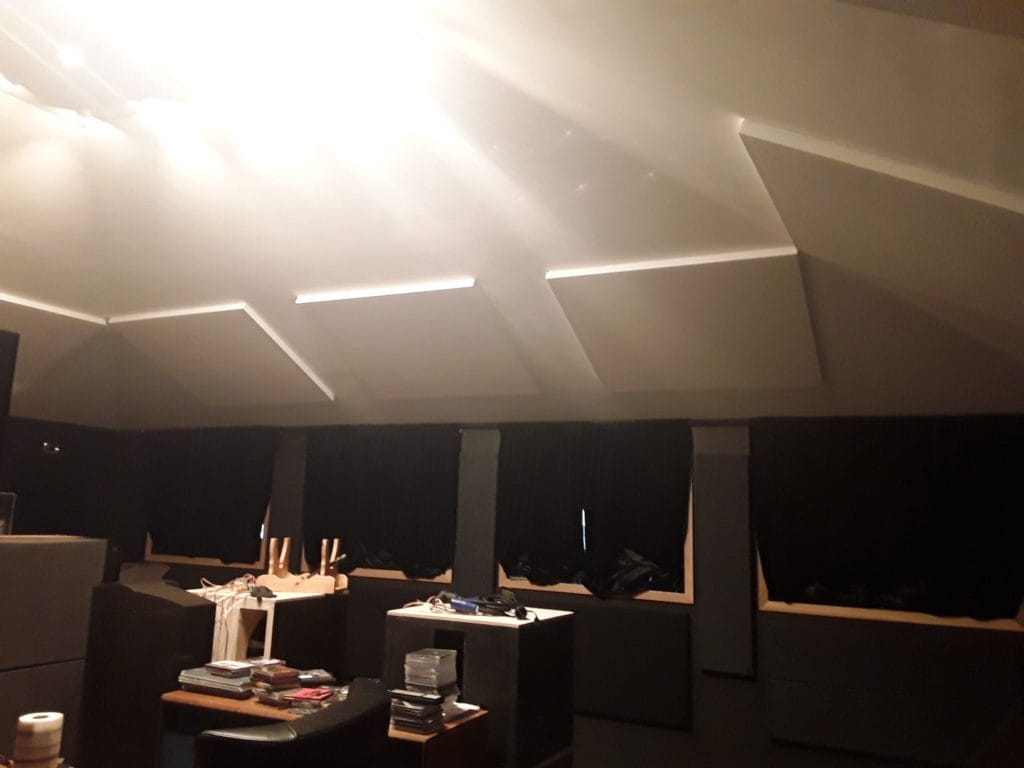
A home cinema is characterised by expensive electronics, dark surfaces, angled walls and ceilings, lots of absorbent surfaces throughout the room, walls, floors and ceilings. Cinema-like furnishings and, of course, a massive soundscape. A home cinema should be isolated from the rest of the home in such a way that sound and vibration do not disturb others in the home. Not least, it is important to avoid sound and vibrations spreading to neighbours.
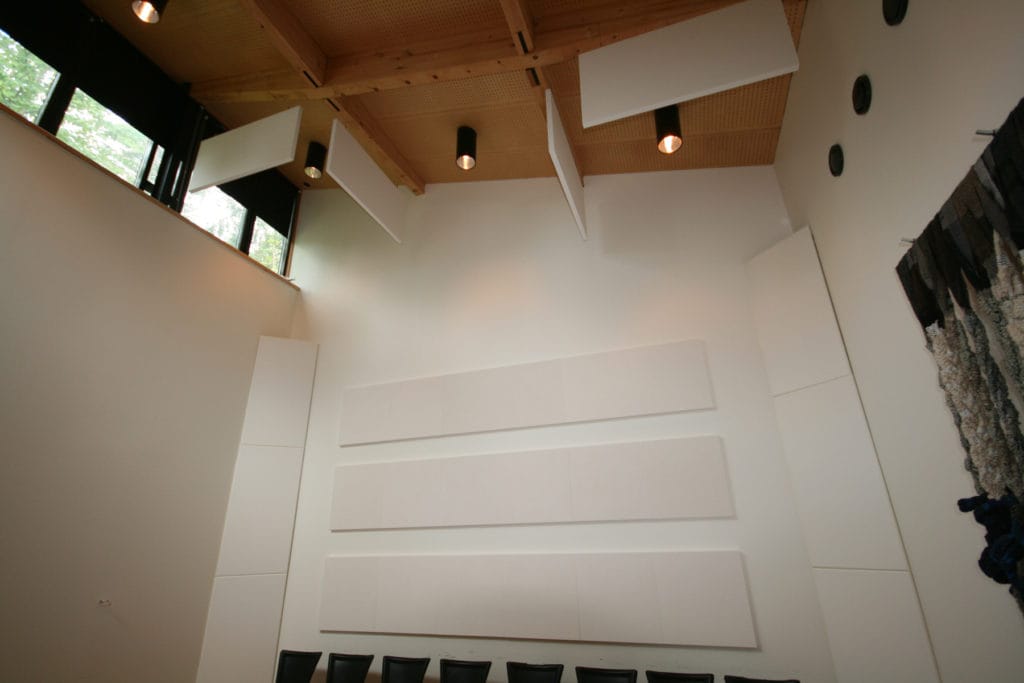
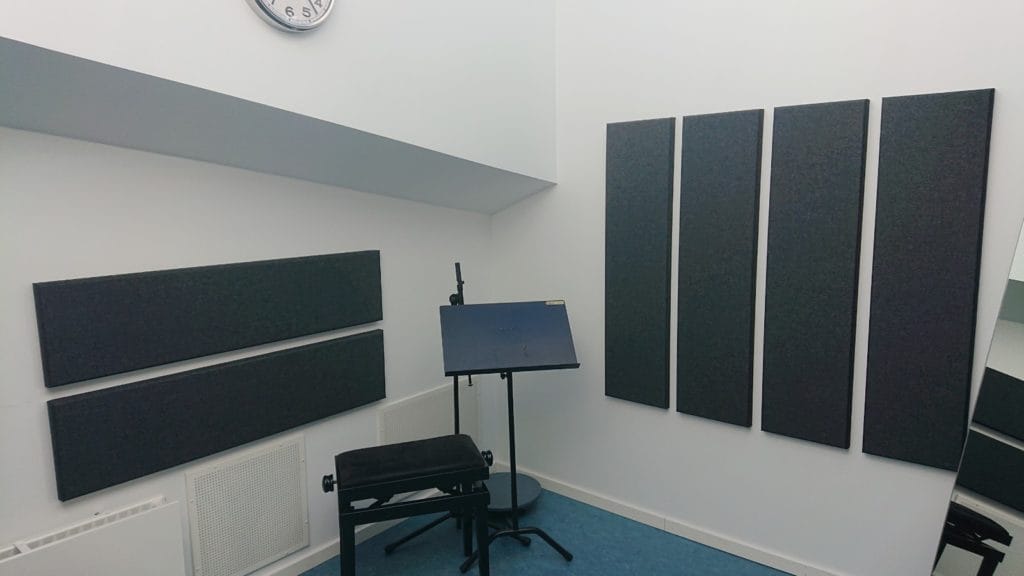
To achieve the desired result, it is important to understand how sound behaves in the room. Exactly how sound behaves in an individual home cinema/music room will of course vary greatly depending on the layout and size of the room and the sound system. When the absorbers attenuate sound, this means that they attenuate the "reverberation" that occurs in the room and not the sound directly from the speakers. The speakers are perceived at exactly the same volume, the damping simply means that you don't hear the echo from the tones.
After the absorbers have been installed, you will usually find that the sound image has changed somewhat; this is easily solved by adjusting the sound values on the system.
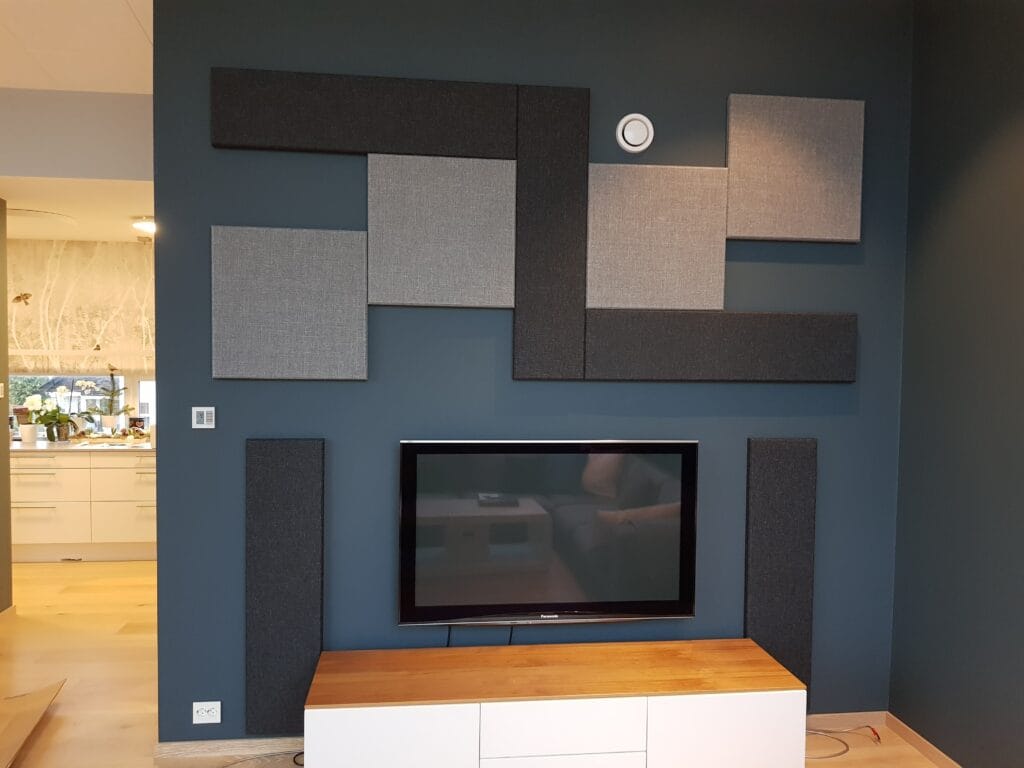
A TV room is easy to relate to, and is often used as a common gathering point for the family. It benefits from a balanced sound environment adapted to both a great film experience and conversations over the coffee table.
In the TV room, absorbers are normally installed on the ceiling and walls to reduce reverberation.
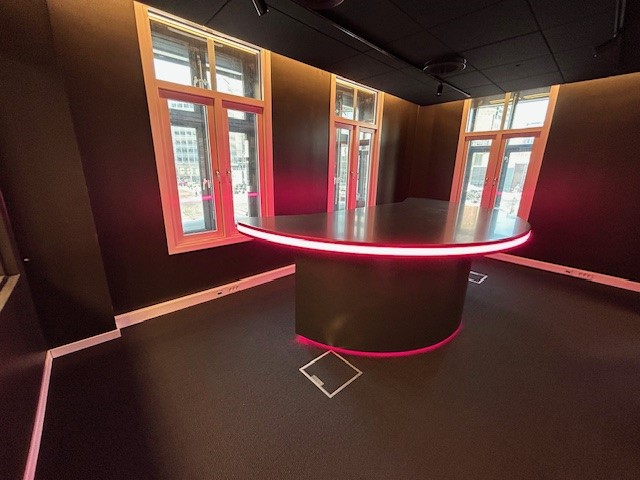
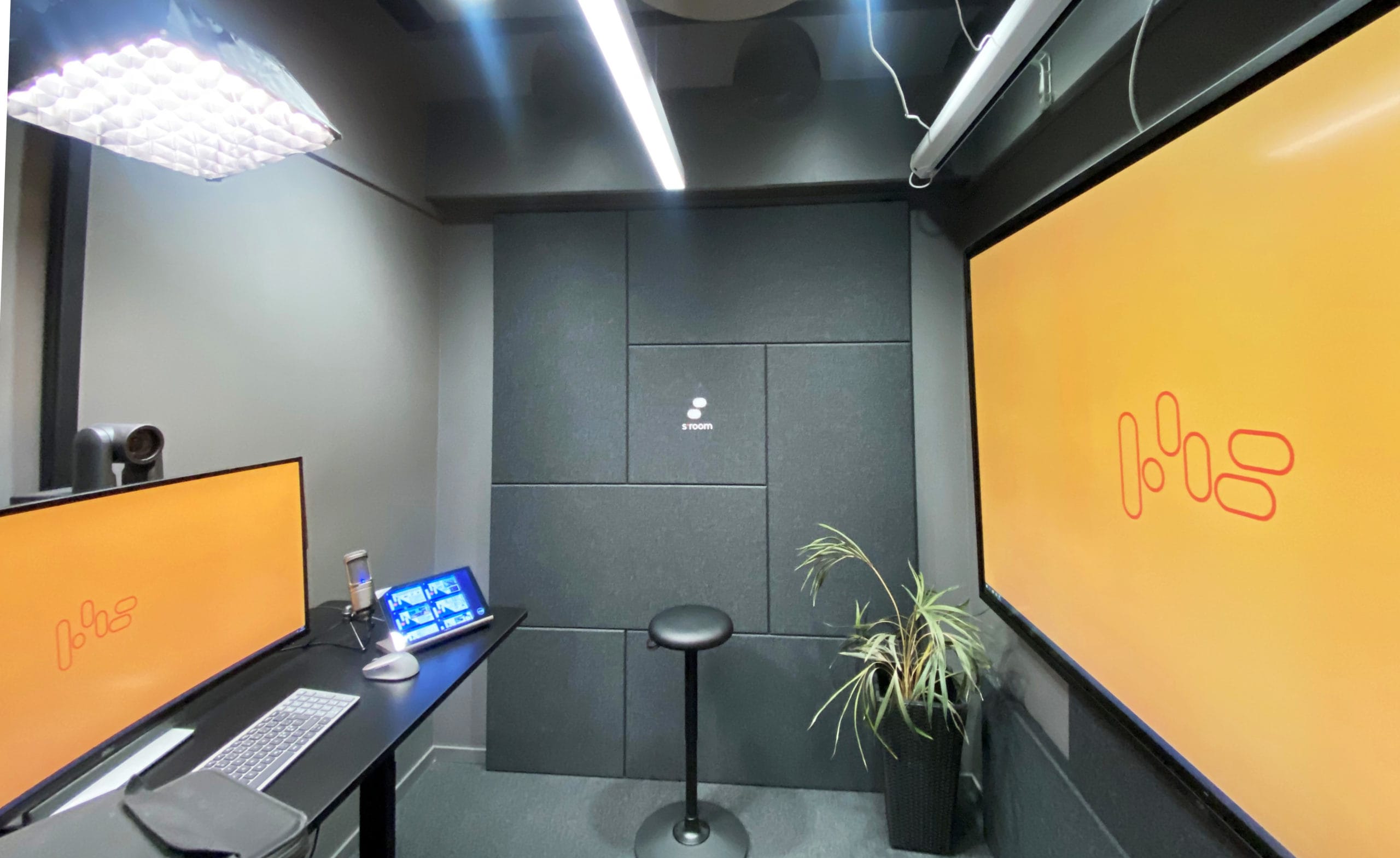
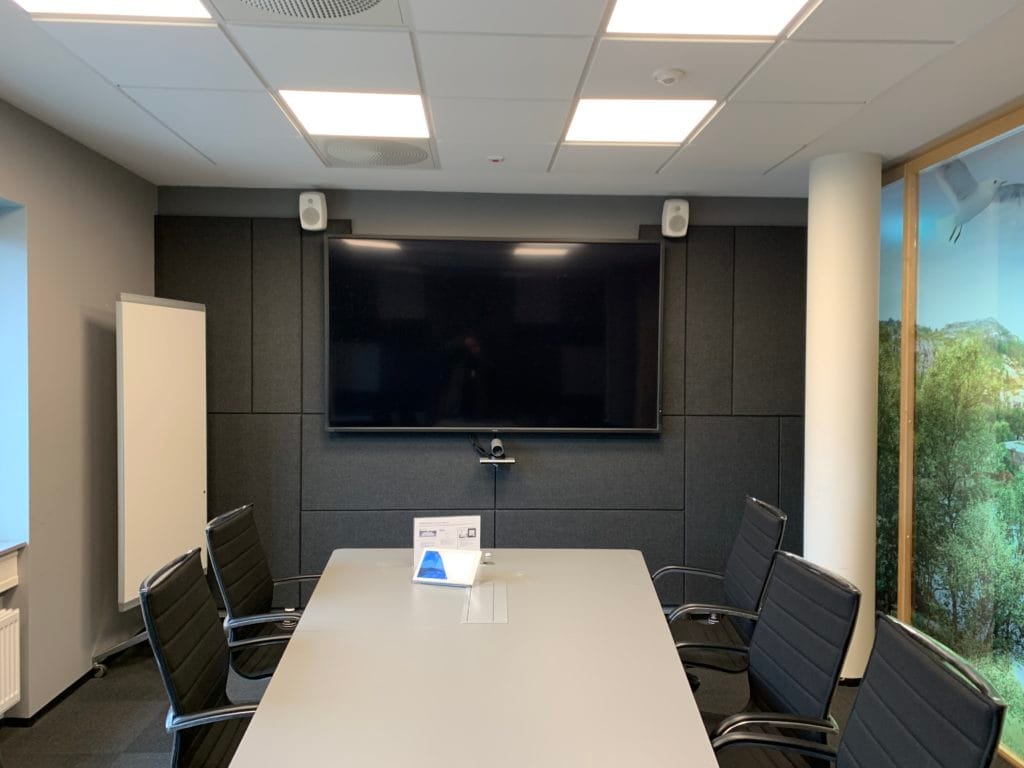
In recent years, digital meetings have become more common. During digital meetings, sound quality is the most important factor for seamless communication. This places new demands on the rooms used.
Fitting video conference rooms with absorbers is crucial for good speech clarity and speech perception, which in turn makes for more effective digital meetings. Ideally, the two conference rooms used during a video conference should be equally well refurbished, but even with a refurbished room, there will be a marked improvement in sound quality.
The NS8175-2019 standard sets out requirements for reverberation time in video conference rooms. These rooms are regulated by law because they are part of our working life and workplaces.
There is no standard for how to achieve the right acoustic conditions. We have therefore developed, based on considerable experience, good methods for solving various problems related to conference rooms. Using remote inspection or sound measurements, we design solutions that ensure good speech clarity and speech perception in the room.
"If I can hear you, I can understand you, I don't necessarily need to see you. If I can see you but not hear you, it is useless to try to understand you."